Regular Dental Checkups: More Than Just Clean Teeth

Lorem ipsum dolor sit amet, consectetuer adipiscing elit. Aenean commodo ligula eget dolor. Aenean massa. Cum sociis natoque penatibus et magnis dis parturient montes, nascetur ridiculus mus. Donec quam felis, ultricies nec, pellentesque eu, pretium quis, sem. Nulla consequat massa quis enim. Donec pede justo, fringilla vel, aliquet nec, vulputate eget, arcu. In enim justo, rhoncus ut, imperdiet a, venenatis vitae, justo. Nullam dictum felis eu pede mollis pretium. Integer tincidunt. Cras dapibus. Vivamus elementum semper nisi. Aenean vulputate eleifend tellus. Aenean leo ligula, porttitor eu, consequat vitae, eleifend ac, enim. Aliquam lorem ante, dapibus in, viverra quis, feugiat a, tellus. Phasellus viverra nulla ut metus varius laoreet. Quisque rutrum. Aenean imperdiet. Etiam ultricies nisi vel augue. Curabitur ullamcorper ultricies nisi.
Nam eget dui. Etiam rhoncus. Maecenas tempus, tellus eget condimentum rhoncus, sem quam semper libero, sit amet adipiscing sem neque sed ipsum. Nam quam nunc, blandit vel, luctus pulvinar, hendrerit id, lorem. Maecenas nec odio et ante tincidunt tempus. Donec vitae sapien ut libero venenatis faucibus. Nullam quis ante. Etiam sit amet orci eget eros faucibus tincidunt. Duis leo. Sed fringilla mauris sit amet nibh.
Donec sodales sagittis magna. Sed consequat, leo eget bibendum sodales, augue velit cursus nunc, quis gravida magna mi a libero. Fusce vulputate eleifend sapien. Vestibulum purus quam, scelerisque ut, mollis sed, nonummy id, metus. Nullam accumsan lorem in dui. Cras ultricies mi eu turpis hendrerit fringilla. Vestibulum ante ipsum primis in faucibus orci luctus et ultrices posuere cubilia Curae; In ac dui quis mi consectetuer lacinia. Nam pretium turpis et arcu. Duis arcu tortor, suscipit eget, imperdiet nec, imperdiet iaculis, ipsum. Sed aliquam ultrices mauris. Integer ante arcu, accumsan a, consectetuer eget, posuere ut, mauris. Praesent adipiscing. Phasellus ullamcorper ipsum rutrum nunc. Nunc nonummy metus. Vestibulum volutpat pretium libero. Cras id dui. Aenean ut

Digital Dental Scanners w Technodent dental

The dental industry has witnessed remarkable advancements in technology, and one of the most transformative innovations is the digital dental scanner. These cutting-edge devices have revolutionized the way dentists and dental technicians capture impressions, diagnose conditions, and design restorations. In this blog, we explore how digital dental scanners are shaping the future of dentistry.

What is a Digital Dental Scanner?

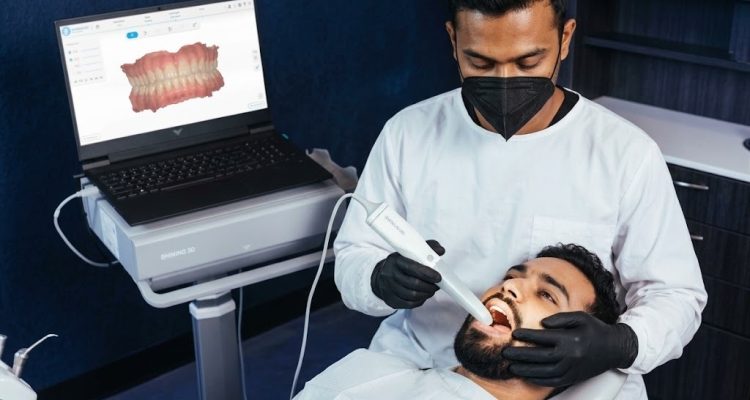
A digital dental scanner is a high-tech device that captures a 3D image of a patient’s teeth and gums. Instead of using traditional impression materials, which can be uncomfortable for patients, digital scanners utilize advanced optical and laser technology to create highly accurate digital impressions. These impressions are then used for various dental treatments, including crowns, bridges, veneers, and orthodontic aligners.

Benefits of Digital Dental Scanners

1. Enhanced Accuracy and Precision

Traditional impressions often come with minor inaccuracies due to material shrinkage or movement during the setting process. Digital scanners eliminate these issues by providing highly precise 3D models, ensuring a better fit for restorations and aligners.

2. Increased Comfort for Patients

Many patients find the traditional impression-taking process uncomfortable and messy. Digital scanning offers a quick, non-invasive, and comfortable experience, reducing anxiety and discomfort.

3. Faster Turnaround Time

Digital impressions can be instantly sent to the dental lab or used in an in-office milling machine for same-day restorations. This significantly reduces wait times and speeds up treatment.

4. Better Communication with Labs and Patients

Dentists can share detailed digital impressions with dental labs and specialists instantly, improving communication and collaboration. Additionally, patients can visualize their treatment plans through digital models, enhancing their understanding and engagement.

5. Eco-Friendly and Cost-Effective

By eliminating the need for disposable impression materials, digital dental scanners contribute to a greener environment. They also reduce the costs associated with physical impressions, such as materials, shipping, and storage.

Applications of Digital Dental Scanners

Digital dental scanners are widely used in various dental procedures, including:

  • Restorative Dentistry: Crowns, bridges, inlays, and onlays.
  • Orthodontics: Designing clear aligners and braces.
  • Implantology: Planning and placing dental implants with greater accuracy.
  • Prosthodontics: Creating precise dentures and veneers.
  • Preventive Care: Monitoring changes in oral health over time.

Conclusion

The integration of digital dental scanners in modern dentistry has significantly improved efficiency, accuracy, and patient satisfaction. As technology continues to advance, these devices will become even more essential in delivering top-tier dental care. Whether you are a dental professional looking to upgrade your practice or a patient seeking a more comfortable experience, digital dental scanning is a game-changer in oral healthcare.

Revolutionizing Dentistry with Digital Dental Scanners

The dental industry has witnessed remarkable advancements in technology, and one of the most transformative innovations is the digital dental scanner. These cutting-edge devices have revolutionized the way dentists and dental technicians capture impressions, diagnose conditions, and design restorations. In this blog, we explore how digital dental scanners are shaping the future of dentistry.

What is a Digital Dental Scanner?

A digital dental scanner is a high-tech device that captures a 3D image of a patient’s teeth and gums. Instead of using traditional impression materials, which can be uncomfortable for patients, digital scanners utilize advanced optical and laser technology to create highly accurate digital impressions. These impressions are then used for various dental treatments, including crowns, bridges, veneers, and orthodontic aligners.

Benefits of Digital Dental Scanners

1. Enhanced Accuracy and Precision

Traditional impressions often come with minor inaccuracies due to material shrinkage or movement during the setting process. Digital scanners eliminate these issues by providing highly precise 3D models, ensuring a better fit for restorations and aligners.

2. Increased Comfort for Patients

Many patients find the traditional impression-taking process uncomfortable and messy. Digital scanning offers a quick, non-invasive, and comfortable experience, reducing anxiety and discomfort.

3. Faster Turnaround Time

Digital impressions can be instantly sent to the dental lab or used in an in-office milling machine for same-day restorations. This significantly reduces wait times and speeds up treatment.

4. Better Communication with Labs and Patients

Dentists can share detailed digital impressions with dental labs and specialists instantly, improving communication and collaboration. Additionally, patients can visualize their treatment plans through digital models, enhancing their understanding and engagement.

5. Eco-Friendly and Cost-Effective

By eliminating the need for disposable impression materials, digital dental scanners contribute to a greener environment. They also reduce the costs associated with physical impressions, such as materials, shipping, and storage.

Applications of Digital Dental Scanners

Digital dental scanners are widely used in various dental procedures, including:

  • Restorative Dentistry: Crowns, bridges, inlays, and onlays.
  • Orthodontics: Designing clear aligners and braces.
  • Implantology: Planning and placing dental implants with greater accuracy.
  • Prosthodontics: Creating precise dentures and veneers.
  • Preventive Care: Monitoring changes in oral health over time.

Conclusion

The integration of digital dental scanners in modern dentistry has significantly improved efficiency, accuracy, and patient satisfaction. As technology continues to advance, these devices will become even more essential in delivering top-tier dental care. Whether you are a dental professional looking to upgrade your practice or a patient seeking a more comfortable experience, digital dental scanning is a game-changer in oral healthcare.

Understanding Tooth Fillings: A Complete Guide

Tooth fillings are a common dental procedure designed to restore the function and appearance of teeth affected by decay or damage. With advancements in dental technology, modern fillings are more durable and aesthetically pleasing than ever before. In this blog, we explore everything you need to know about tooth fillings, including their types, benefits, and the procedure involved.

What is a Tooth Filling?

A tooth filling is a restorative dental treatment used to repair a cavity or minor tooth damage. When a tooth develops decay, it creates a hole that can grow larger if left untreated. A filling seals the cavity, preventing further deterioration and restoring the tooth’s strength and function.

Types of Tooth Fillings

There are several types of tooth fillings available, each with unique advantages:

1. Amalgam Fillings

  • Made from a mixture of metals, including silver, mercury, and tin.
  • Highly durable and resistant to wear.
  • Cost-effective and commonly used for molars.

2. Composite Fillings

  • Made from a tooth-colored resin material.
  • Blends seamlessly with natural teeth.
  • Ideal for visible areas of the mouth.

3. Ceramic Fillings

  • Made from high-quality porcelain.
  • Stain-resistant and aesthetically superior.
  • More expensive but highly durable.

4. Gold Fillings

  • Long-lasting and highly durable.
  • Expensive and less common due to cost.
  • Requires multiple visits for placement.

Benefits of Tooth Fillings

  • Prevents Further Decay: Seals cavities to stop bacterial growth.
  • Restores Tooth Function: Enables proper chewing and biting.
  • Improves Aesthetics: Tooth-colored fillings provide a natural appearance.
  • Long-Lasting Protection: Modern fillings are designed to withstand everyday use.

Tooth Filling Procedure

  1. Diagnosis and Preparation: The dentist examines the affected tooth and removes decay.
  2. Filling Placement: The chosen filling material is applied in layers and shaped to fit naturally.
  3. Hardening and Polishing: The filling is hardened using a special light (for composite fillings) and polished for a smooth finish.
  4. Final Adjustments: The dentist ensures a comfortable bite and makes necessary adjustments.

Post-Treatment Care

  • Avoid very hot or cold foods immediately after the procedure.
  • Maintain good oral hygiene with regular brushing and flossing.
  • Visit your dentist for regular check-ups to monitor the filling’s condition.

Conclusion

Tooth fillings are a vital treatment for maintaining oral health and preventing further complications. With various filling materials available, your dentist can recommend the best option based on your needs and preferences. If you suspect a cavity or need a replacement filling, consult your dentist to restore your smile and oral health effectively.

A Comprehensive Guide to Dental Crowns

Dental crowns are a widely used restorative treatment in dentistry, helping to restore the function and appearance of damaged or weakened teeth. Whether due to decay, trauma, or cosmetic concerns, dental crowns provide a durable and aesthetically pleasing solution. In this blog, we will explore everything you need to know about dental crowns, including their types, benefits, and the procedure involved.

What is a Dental Crown?

A dental crown is a custom-made cap that covers a damaged tooth, restoring its shape, size, strength, and appearance. Crowns can be made from various materials and are designed to match the natural look of your teeth while providing long-lasting protection.

Types of Dental Crowns

There are several types of dental crowns, each offering unique advantages:

1. Porcelain Crowns

  • Made from high-quality ceramic material.
  • Best for front teeth due to their natural appearance.
  • Stain-resistant and biocompatible.

2. Metal Crowns

  • Made from gold, platinum, or base metal alloys.
  • Extremely durable and resistant to wear.
  • Ideal for molars that endure heavy chewing forces.

3. Porcelain-Fused-to-Metal (PFM) Crowns

  • Combines the strength of metal with the aesthetics of porcelain.
  • Highly durable and natural-looking.
  • Can be used for both front and back teeth.

4. Zirconia Crowns

  • Made from strong and durable zirconium oxide.
  • Provides a natural appearance with high resistance to fractures.
  • Suitable for patients with metal allergies.

5. Resin Crowns

  • Made from composite resin material.
  • Less expensive but more prone to wear over time.
  • Typically used as a temporary solution.

Benefits of Dental Crowns

  • Protects Weak Teeth: Prevents further damage or fractures.
  • Restores Function: Enhances chewing and speaking ability.
  • Improves Aesthetics: Enhances the appearance of discolored or misshapen teeth.
  • Long-Lasting Solution: With proper care, crowns can last 10-15 years or more.

Dental Crown Procedure

  1. Consultation and Examination: The dentist assesses the tooth and takes X-rays.
  2. Tooth Preparation: The tooth is reshaped, and an impression is taken.
  3. Temporary Crown Placement: A temporary crown is placed while the permanent crown is being made.
  4. Permanent Crown Placement: The custom crown is cemented securely onto the tooth.

Post-Treatment Care

  • Maintain good oral hygiene by brushing and flossing regularly.
  • Avoid biting hard foods that could damage the crown.
  • Visit your dentist for routine check-ups and maintenance.

Conclusion

Dental crowns are an excellent option for restoring and protecting damaged teeth while enhancing their appearance. If you require a crown, consult with your dentist to determine the best type based on your needs and preferences. With proper care, a dental crown can provide long-term functionality and aesthetic appeal.

Technodent Dental Help Chat
Send via WhatsApp