The dental industry has witnessed remarkable advancements in technology, and one of the most transformative innovations is the digital dental scanner. These cutting-edge devices have revolutionized the way dentists and dental technicians capture impressions, diagnose conditions, and design restorations. In this blog, we explore how digital dental scanners are shaping the future of dentistry.
What is a Digital Dental Scanner?
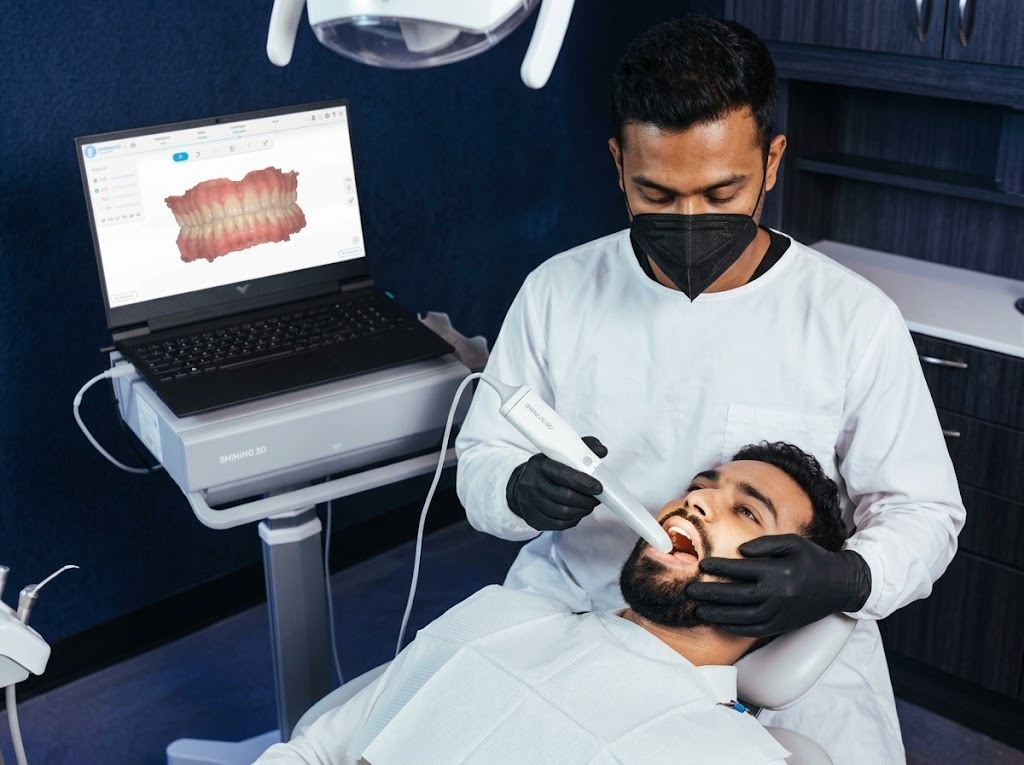
A digital dental scanner is a high-tech device that captures a 3D image of a patient’s teeth and gums. Instead of using traditional impression materials, which can be uncomfortable for patients, digital scanners utilize advanced optical and laser technology to create highly accurate digital impressions. These impressions are then used for various dental treatments, including crowns, bridges, veneers, and orthodontic aligners.
Benefits of Digital Dental Scanners
1. Enhanced Accuracy and Precision
Traditional impressions often come with minor inaccuracies due to material shrinkage or movement during the setting process. Digital scanners eliminate these issues by providing highly precise 3D models, ensuring a better fit for restorations and aligners.
2. Increased Comfort for Patients
Many patients find the traditional impression-taking process uncomfortable and messy. Digital scanning offers a quick, non-invasive, and comfortable experience, reducing anxiety and discomfort.
3. Faster Turnaround Time
Digital impressions can be instantly sent to the dental lab or used in an in-office milling machine for same-day restorations. This significantly reduces wait times and speeds up treatment.
4. Better Communication with Labs and Patients
Dentists can share detailed digital impressions with dental labs and specialists instantly, improving communication and collaboration. Additionally, patients can visualize their treatment plans through digital models, enhancing their understanding and engagement.
5. Eco-Friendly and Cost-Effective
By eliminating the need for disposable impression materials, digital dental scanners contribute to a greener environment. They also reduce the costs associated with physical impressions, such as materials, shipping, and storage.
Why SHINING 3D Dental Scanners
🦷 Faster & More Comfortable: No more messy, gag-inducing putty trays—we use a tiny, smooth camera to scan your mouth in seconds.
⏱️ Instant Visuals: You can see a highly accurate, 3D digital model of your teeth on our screen right away.
🤖 AI-Powered Precision: Built-in smart technology ensures your crowns, aligners, or implants fit perfectly on the very first try.
📋 Personalized Health Reports: The system automatically highlights areas with wear or cavities, letting us track your oral health over time.
💬 Clear Treatment Plans: Seeing your mouth in 3D helps us explain exactly what you need so you can feel completely confident in your care.
The SHINING 3D Scanner represents the absolute pinnacle of digital dentistry, combining hyper-accurate AI tracking with an ultra-fast camera to capture every detail of your smile flawlessly. This cutting-edge technology eliminates treatment guesswork, allowing us to design highly customized crowns, aligners, and implants with microscopic precision. Ultimately, it ensures you spend much less time in the dental chair while receiving the most comfortable, predictable, and premium care possible.