Laser Gum Depigmentation: How to Achieve a Naturally Pink, Confident Smile
A bright, confident smile is one of your most powerful assets. However, many people feel self-conscious when speaking or laughing because of dark, patchy, or discolored gums. If you have ever wondered why your gums have brown or black spots and how you can get them back to a healthy pink shade, modern dental technology offers a quick, safe, and effective solution: Laser Gum Depigmentation.
What is Gum Depigmentation?
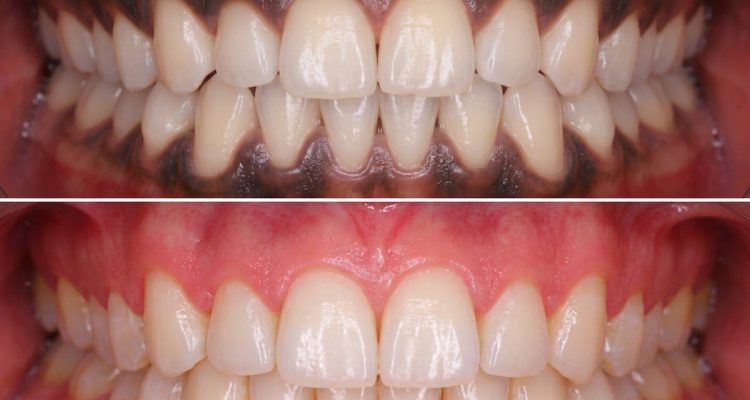
Gum depigmentation (also known as gingival bleaching or gum lightening) is a specialized cosmetic dental procedure designed to remove or reduce hyperpigmentation in the gingival tissues. While dark or uneven gum pigmentation is completely natural and usually harmless, many individuals prefer a uniform, light pink aesthetic to enhance their overall facial harmony and smile line.
What Causes Dark Gums and Gingival Hyperpigmentation?
Before exploring treatment options, it helps to understand why gums change color. The color of your gums is primarily determined by a natural pigment called melanin, which is produced by cells called melanocytes located in the basal layer of the gingival epithelium.
The most common reasons for hyperpigmentation include:
-
Genetic Factors: Just like skin color or hair color, natural melanin concentration varies from person to person. People of certain ethnic backgrounds naturally possess higher melanin levels, resulting in darker brown or black gums.
-
Smoker’s Melanosis: Nicotine and other toxins in tobacco stimulate melanocytes to produce excess melanin. This leads to dark patches, particularly along the front gum line of chronic smokers.
-
Certain Medical Conditions & Medications: Certain systemic conditions or long-term use of specific medications can occasionally lead to oral pigmentation changes.
How Does Laser Gum Depigmentation Work?
Traditional methods of gum bleaching—such as surgical scraping (scalpel abrasion), chemical agents, or electrosurgery—often involve significant bleeding, discomfort, and longer healing times. Today, advanced diode laser technology (such as high-precision 980nm wavelength dental lasers) has revolutionized the procedure.
-
Targeted Precision: The laser beam is precisely calibrated to target and gently ablate the melanin-producing melanocytes in the outer layer of the gum tissue without damaging deeper or surrounding structures.
-
Minimal Discomfort & Bleeding: The laser simultaneously seals blood vessels and nerve endings as it works, resulting in virtually zero bleeding and minimal post-treatment discomfort.
-
Natural Healing: The treated gum tissue heals naturally by secondary intention, regenerating fresh, healthy cells that reveal a lighter, uniform pink color.
What to Expect During Your Appointment
If you are planning to undergo a gum depigmentation session, here is a breakdown of what the process typically looks like:
-
Initial Consultation: Your dentist will examine your oral health, assess the depth of pigmentation, and confirm that your gums are healthy and free from active periodontal disease.
-
The Procedure: The treatment is performed under mild local anesthesia or topical numbing gel to ensure complete comfort. Most sessions take roughly 30 to 45 minutes depending on the extent of the area treated.
-
Follow-Up Evaluation: You will typically be scheduled for a brief follow-up visit around 7 days later to monitor healing and ensure your gums are recovering perfectly.
Recovery and Post-Treatment Care
Recovery from laser gum depigmentation is remarkably fast and straightforward:
-
Immediate Results: You will notice an immediate improvement in shade, with full, beautiful pink aesthetics developing as the tissue fully heals over the next week or two.
-
Diet & Care: For the first few days, your dentist may advise you to avoid extremely hot, spicy, or acidic foods while a thin protective layer heals over the treated surface.
-
Lifestyle Adjustments: If smoking caused your hyperpigmentation, cutting back or quitting will help maintain your bright pink results long-term.
Benefits of Choosing Laser Gum Depigmentation
-
Enhanced Smile Confidence: Smile freely without hiding your teeth or lips.
-
Painless & Minimally Invasive: No scalpels, no painful stitches, and quick recovery.
-
Long-Lasting Results: Results endure for years, especially with good oral hygiene and avoiding tobacco use.
-
Precision Control: State-of-the-art laser wavelengths ensure uniform aesthetic outcomes.
Frequently Asked Questions (FAQs)
1. Is laser gum depigmentation painful?
No. The procedure is performed using local anesthesia or a strong topical numbing gel, making it virtually painless. Patients report feeling only mild warmth or slight vibration during treatment.
2. Are the results permanent?
For most patients, the results are long-lasting or permanent. Because melanin-producing cells are gently vaporized, they do not easily return. However, heavy smoking can stimulate new pigmentation over time.
3. How much does gum depigmentation cost?
The cost varies depending on the severity of the pigmentation, the surface area treated, and the specific technology utilized. Premium clinics using advanced diode laser equipment and specialist care ensure optimal safety and aesthetic results.
Ready to transform your smile and boost your confidence? Book a consultation with our dental specialists today to find out if laser gum depigmentation is right for you.
Digital Dental Scanners At Technodent Dental
The dental industry has witnessed remarkable advancements in technology, and one of the most transformative innovations is the digital dental scanner. These cutting-edge devices have revolutionized the way dentists and dental technicians capture impressions, diagnose conditions, and design restorations. In this blog, we explore how digital dental scanners are shaping the future of dentistry.
What is a Digital Dental Scanner?
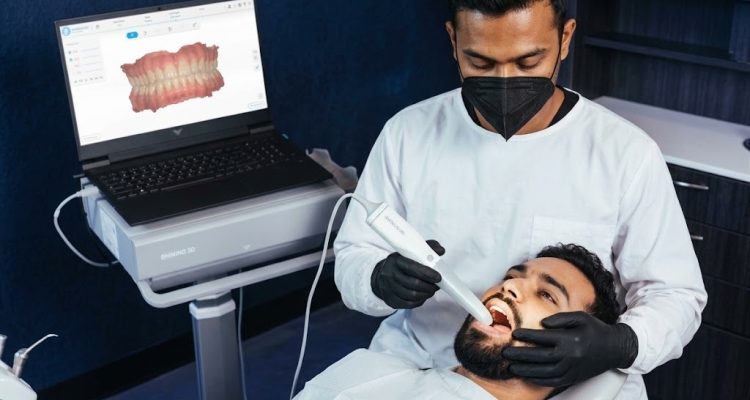
A digital dental scanner is a high-tech device that captures a 3D image of a patient’s teeth and gums. Instead of using traditional impression materials, which can be uncomfortable for patients, digital scanners utilize advanced optical and laser technology to create highly accurate digital impressions. These impressions are then used for various dental treatments, including crowns, bridges, veneers, and orthodontic aligners.
Benefits of Digital Dental Scanners
1. Enhanced Accuracy and Precision
Traditional impressions often come with minor inaccuracies due to material shrinkage or movement during the setting process. Digital scanners eliminate these issues by providing highly precise 3D models, ensuring a better fit for restorations and aligners.
2. Increased Comfort for Patients
Many patients find the traditional impression-taking process uncomfortable and messy. Digital scanning offers a quick, non-invasive, and comfortable experience, reducing anxiety and discomfort.
3. Faster Turnaround Time
Digital impressions can be instantly sent to the dental lab or used in an in-office milling machine for same-day restorations. This significantly reduces wait times and speeds up treatment.
4. Better Communication with Labs and Patients
Dentists can share detailed digital impressions with dental labs and specialists instantly, improving communication and collaboration. Additionally, patients can visualize their treatment plans through digital models, enhancing their understanding and engagement.
5. Eco-Friendly and Cost-Effective
By eliminating the need for disposable impression materials, digital dental scanners contribute to a greener environment. They also reduce the costs associated with physical impressions, such as materials, shipping, and storage.
Why SHINING 3D Dental Scanners
🦷 Faster & More Comfortable: No more messy, gag-inducing putty trays—we use a tiny, smooth camera to scan your mouth in seconds.
⏱️ Instant Visuals: You can see a highly accurate, 3D digital model of your teeth on our screen right away.
🤖 AI-Powered Precision: Built-in smart technology ensures your crowns, aligners, or implants fit perfectly on the very first try.
📋 Personalized Health Reports: The system automatically highlights areas with wear or cavities, letting us track your oral health over time.
💬 Clear Treatment Plans: Seeing your mouth in 3D helps us explain exactly what you need so you can feel completely confident in your care.
The SHINING 3D Scanner represents the absolute pinnacle of digital dentistry, combining hyper-accurate AI tracking with an ultra-fast camera to capture every detail of your smile flawlessly. This cutting-edge technology eliminates treatment guesswork, allowing us to design highly customized crowns, aligners, and implants with microscopic precision. Ultimately, it ensures you spend much less time in the dental chair while receiving the most comfortable, predictable, and premium care possible.
Understanding Tooth Fillings: A Complete Guide
Tooth fillings are a common dental procedure designed to restore the function and appearance of teeth affected by decay or damage. With advancements in dental technology, modern fillings are more durable and aesthetically pleasing than ever before. In this blog, we explore everything you need to know about tooth fillings, including their types, benefits, and the procedure involved.
What is a Tooth Filling?
A tooth filling is a restorative dental treatment used to repair a cavity or minor tooth damage. When a tooth develops decay, it creates a hole that can grow larger if left untreated. A filling seals the cavity, preventing further deterioration and restoring the tooth’s strength and function.
Types of Tooth Fillings
There are several types of tooth fillings available, each with unique advantages:
1. Amalgam Fillings
- Made from a mixture of metals, including silver, mercury, and tin.
- Highly durable and resistant to wear.
- Cost-effective and commonly used for molars.
2. Composite Fillings
- Made from a tooth-colored resin material.
- Blends seamlessly with natural teeth.
- Ideal for visible areas of the mouth.
3. Ceramic Fillings
- Made from high-quality porcelain.
- Stain-resistant and aesthetically superior.
- More expensive but highly durable.
4. Gold Fillings
- Long-lasting and highly durable.
- Expensive and less common due to cost.
- Requires multiple visits for placement.
Benefits of Tooth Fillings
- Prevents Further Decay: Seals cavities to stop bacterial growth.
- Restores Tooth Function: Enables proper chewing and biting.
- Improves Aesthetics: Tooth-colored fillings provide a natural appearance.
- Long-Lasting Protection: Modern fillings are designed to withstand everyday use.
Tooth Filling Procedure
- Diagnosis and Preparation: The dentist examines the affected tooth and removes decay.
- Filling Placement: The chosen filling material is applied in layers and shaped to fit naturally.
- Hardening and Polishing: The filling is hardened using a special light (for composite fillings) and polished for a smooth finish.
- Final Adjustments: The dentist ensures a comfortable bite and makes necessary adjustments.
Post-Treatment Care
- Avoid very hot or cold foods immediately after the procedure.
- Maintain good oral hygiene with regular brushing and flossing.
- Visit your dentist for regular check-ups to monitor the filling’s condition.
Conclusion
Tooth fillings are a vital treatment for maintaining oral health and preventing further complications. With various filling materials available, your dentist can recommend the best option based on your needs and preferences. If you suspect a cavity or need a replacement filling, consult your dentist to restore your smile and oral health effectively.
A Comprehensive Guide to Dental Crowns
Dental crowns are a widely used restorative treatment in dentistry, helping to restore the function and appearance of damaged or weakened teeth. Whether due to decay, trauma, or cosmetic concerns, dental crowns provide a durable and aesthetically pleasing solution. In this blog, we will explore everything you need to know about dental crowns, including their types, benefits, and the procedure involved.
What is a Dental Crown?
A dental crown is a custom-made cap that covers a damaged tooth, restoring its shape, size, strength, and appearance. Crowns can be made from various materials and are designed to match the natural look of your teeth while providing long-lasting protection.
Types of Dental Crowns
There are several types of dental crowns, each offering unique advantages:
1. Porcelain Crowns
- Made from high-quality ceramic material.
- Best for front teeth due to their natural appearance.
- Stain-resistant and biocompatible.
2. Metal Crowns
- Made from gold, platinum, or base metal alloys.
- Extremely durable and resistant to wear.
- Ideal for molars that endure heavy chewing forces.
3. Porcelain-Fused-to-Metal (PFM) Crowns
- Combines the strength of metal with the aesthetics of porcelain.
- Highly durable and natural-looking.
- Can be used for both front and back teeth.
4. Zirconia Crowns
- Made from strong and durable zirconium oxide.
- Provides a natural appearance with high resistance to fractures.
- Suitable for patients with metal allergies.
5. Resin Crowns
- Made from composite resin material.
- Less expensive but more prone to wear over time.
- Typically used as a temporary solution.
Benefits of Dental Crowns
- Protects Weak Teeth: Prevents further damage or fractures.
- Restores Function: Enhances chewing and speaking ability.
- Improves Aesthetics: Enhances the appearance of discolored or misshapen teeth.
- Long-Lasting Solution: With proper care, crowns can last 10-15 years or more.
Dental Crown Procedure
- Consultation and Examination: The dentist assesses the tooth and takes X-rays.
- Tooth Preparation: The tooth is reshaped, and an impression is taken.
- Temporary Crown Placement: A temporary crown is placed while the permanent crown is being made.
- Permanent Crown Placement: The custom crown is cemented securely onto the tooth.
Post-Treatment Care
- Maintain good oral hygiene by brushing and flossing regularly.
- Avoid biting hard foods that could damage the crown.
- Visit your dentist for routine check-ups and maintenance.
Conclusion
Dental crowns are an excellent option for restoring and protecting damaged teeth while enhancing their appearance. If you require a crown, consult with your dentist to determine the best type based on your needs and preferences. With proper care, a dental crown can provide long-term functionality and aesthetic appeal.