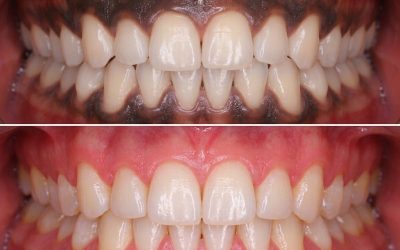
Tooth fillings are a common dental procedure designed to restore the function and appearance of teeth affected by decay or damage. With advancements in dental technology, modern fillings are more durable and aesthetically pleasing than ever before. In this blog, we explore everything you need to know about tooth fillings, including their types, benefits, and the procedure involved.
What is a Tooth Filling?
A tooth filling is a restorative dental treatment used to repair a cavity or minor tooth damage. When a tooth develops decay, it creates a hole that can grow larger if left untreated. A filling seals the cavity, preventing further deterioration and restoring the tooth’s strength and function.
Types of Tooth Fillings
There are several types of tooth fillings available, each with unique advantages:
1. Amalgam Fillings
- Made from a mixture of metals, including silver, mercury, and tin.
- Highly durable and resistant to wear.
- Cost-effective and commonly used for molars.
2. Composite Fillings
- Made from a tooth-colored resin material.
- Blends seamlessly with natural teeth.
- Ideal for visible areas of the mouth.
3. Ceramic Fillings
- Made from high-quality porcelain.
- Stain-resistant and aesthetically superior.
- More expensive but highly durable.
4. Gold Fillings
- Long-lasting and highly durable.
- Expensive and less common due to cost.
- Requires multiple visits for placement.
Benefits of Tooth Fillings
- Prevents Further Decay: Seals cavities to stop bacterial growth.
- Restores Tooth Function: Enables proper chewing and biting.
- Improves Aesthetics: Tooth-colored fillings provide a natural appearance.
- Long-Lasting Protection: Modern fillings are designed to withstand everyday use.
Tooth Filling Procedure
- Diagnosis and Preparation: The dentist examines the affected tooth and removes decay.
- Filling Placement: The chosen filling material is applied in layers and shaped to fit naturally.
- Hardening and Polishing: The filling is hardened using a special light (for composite fillings) and polished for a smooth finish.
- Final Adjustments: The dentist ensures a comfortable bite and makes necessary adjustments.
Post-Treatment Care
- Avoid very hot or cold foods immediately after the procedure.
- Maintain good oral hygiene with regular brushing and flossing.
- Visit your dentist for regular check-ups to monitor the filling’s condition.
Conclusion
Tooth fillings are a vital treatment for maintaining oral health and preventing further complications. With various filling materials available, your dentist can recommend the best option based on your needs and preferences. If you suspect a cavity or need a replacement filling, consult your dentist to restore your smile and oral health effectively.