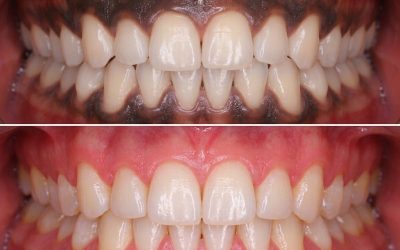
Dental crowns are a widely used restorative treatment in dentistry, helping to restore the function and appearance of damaged or weakened teeth. Whether due to decay, trauma, or cosmetic concerns, dental crowns provide a durable and aesthetically pleasing solution. In this blog, we will explore everything you need to know about dental crowns, including their types, benefits, and the procedure involved.
What is a Dental Crown?
A dental crown is a custom-made cap that covers a damaged tooth, restoring its shape, size, strength, and appearance. Crowns can be made from various materials and are designed to match the natural look of your teeth while providing long-lasting protection.
Types of Dental Crowns
There are several types of dental crowns, each offering unique advantages:
1. Porcelain Crowns
- Made from high-quality ceramic material.
- Best for front teeth due to their natural appearance.
- Stain-resistant and biocompatible.
2. Metal Crowns
- Made from gold, platinum, or base metal alloys.
- Extremely durable and resistant to wear.
- Ideal for molars that endure heavy chewing forces.
3. Porcelain-Fused-to-Metal (PFM) Crowns
- Combines the strength of metal with the aesthetics of porcelain.
- Highly durable and natural-looking.
- Can be used for both front and back teeth.
4. Zirconia Crowns
- Made from strong and durable zirconium oxide.
- Provides a natural appearance with high resistance to fractures.
- Suitable for patients with metal allergies.
5. Resin Crowns
- Made from composite resin material.
- Less expensive but more prone to wear over time.
- Typically used as a temporary solution.
Benefits of Dental Crowns
- Protects Weak Teeth: Prevents further damage or fractures.
- Restores Function: Enhances chewing and speaking ability.
- Improves Aesthetics: Enhances the appearance of discolored or misshapen teeth.
- Long-Lasting Solution: With proper care, crowns can last 10-15 years or more.
Dental Crown Procedure
- Consultation and Examination: The dentist assesses the tooth and takes X-rays.
- Tooth Preparation: The tooth is reshaped, and an impression is taken.
- Temporary Crown Placement: A temporary crown is placed while the permanent crown is being made.
- Permanent Crown Placement: The custom crown is cemented securely onto the tooth.
Post-Treatment Care
- Maintain good oral hygiene by brushing and flossing regularly.
- Avoid biting hard foods that could damage the crown.
- Visit your dentist for routine check-ups and maintenance.
Conclusion
Dental crowns are an excellent option for restoring and protecting damaged teeth while enhancing their appearance. If you require a crown, consult with your dentist to determine the best type based on your needs and preferences. With proper care, a dental crown can provide long-term functionality and aesthetic appeal.